Type beat Gunna style delivers a usable blueprint for dark guitar trap with crisp drums and sliding 808s
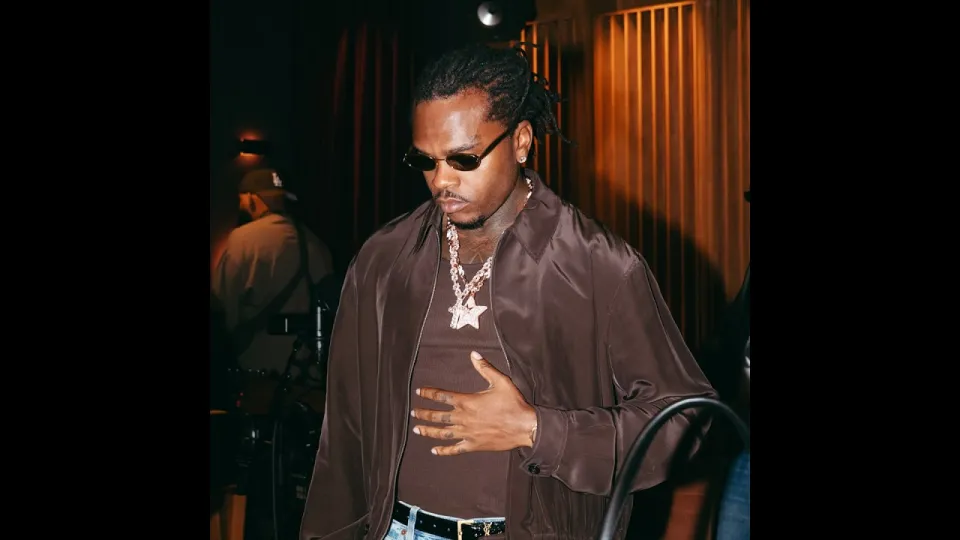
Video: [FREE] Gunna Type Beat - "Professional"
Need articles like this for your video? They help promote it on YouTube and Google — order them in the Telegram bot @sat_sit_bot. Articles with your video embedded are written and posted by the bot itself — on popular topical sites (no ads). Try it free: 50 articles on us.
· based on the channel MIG
A type beat is an instrumental built to match the sound, tempo and mood of a specific artist so that a rapper can record over it in that style; the Gunna type beat "Professional" from producer MIG is a 122 BPM track in F# minor with a dark guitar-led melody, sliding 808s and crisp trap drums, and the untagged version can be licensed directly at the purchase page for the beat. It is aimed at rappers chasing the melodic, mid-tempo Atlanta sound associated with Gunna and Young Thug, and the free download is restricted to non-profit use only.
What a Gunna type beat actually is and why producers label it that way
A Gunna type beat is a instrumental that reproduces the structural and sonic habits of Gunna's catalog rather than copying any single song. Producers use the label because it tells a rapper in one phrase what to expect: a mid-tempo groove, minor-key melodic loops, heavy but clean low end, and enough empty space for a flowing, half-sung delivery. The category sits next to Young Thug type beats and One of Wun type beats, and the overlap is deliberate — the two artists share producers, tempo ranges and a taste for guitar and bell melodies.
What separates a workable Gunna-style instrumental from a generic trap beat comes down to a few repeatable decisions:
- Tempo in the 118–130 BPM window, where the rapper can ride double-time hi-hats without losing the pocket.
- A minor key, here F# minor, which gives the melody a melancholy edge without turning it into sad music.
- A melodic loop — guitar, bells or strings — that carries the emotional weight so the vocal can stay conversational.
- 808 slides used as punctuation, not as constant noise.
- Drums that stay crisp and separated, so the vocal sits on top instead of fighting the mix.
Inside the "Professional" beat: tempo, key and the details listeners notice
"Professional" is built at 122 BPM in F# minor, and that combination is the technical reason it reads as a Gunna type beat. At 122 BPM the hi-hats can run in rolls and triplets while the kick and snare keep a steady, unhurried stride — the space where melodic rap lives. F# minor gives the guitar figure a dark, slightly orchestral character; listeners in the comments describe the melody as dark and the overall result as orchestral trap, which is an accurate read of how layered plucks and pads stack over trap drums.
The elements that get called out most often are the 808 slides and the hi-hat rolls. Slides are the gliding pitch moves on the bass that let a beat change chord color without adding new instruments, and when they are placed well they become the hook. Crisp drums matter just as much: if the snare and hats are muddy, a rapper's stacked vocal layers turn into a wall of noise. The comment thread also flags the beat as street-anthem material and as something suited to a fast, spinning flow — the kind of track where the instrumental pushes the vocal forward instead of waiting for it.
How to write and record over a Gunna type beat
Writing to a Gunna type beat works best when you treat the beat as a pocket to sit inside rather than a wall to shout over. A practical order of operations:
- Loop the beat and freestyle for ten minutes without writing anything down; record the whole session so good accidental melodies survive.
- Find the hook first. On melodic trap, the chorus melody dictates the verse flow, not the other way around.
- Keep verses to two or three distinct flows and leave gaps where the 808 slides land.
- Record ad-libs in a separate pass, panned wide, so the lead vocal stays centered.
- Stack the hook two or three times with slight variations in delivery rather than exact copies.
Because the beat is in F# minor at 122 BPM, most rappers will find a comfortable range somewhere in the middle of their voice — high enough to sing the hook, low enough to rap the verse without straining. If a line feels crowded, cut words instead of speeding up; the instrumental already carries momentum.
Free download versus licensed use: what the terms allow
The free version of this beat is for non-profit purposes only, and it cannot be distributed through streaming services such as Spotify or Apple Music. That distinction matters more than most beginners expect: a free type beat is a demo tool for practice, SoundCloud uploads, videos and social clips, while any release that generates revenue — streaming, monetized YouTube, paid distribution — requires the licensed, untagged file.
The paid version removes the producer tag and comes with the rights needed for commercial release, and the purchase page is the same link listed with the beat. Producers commonly price leases by stream or sales caps, so read the license tier before you build a release plan around one instrumental. Buying in bundles is also standard practice: on this beat, adding three beats to the cart activates a discount, which is useful if you are cutting an EP rather than a single.
Common questions about Gunna type beats, answered plainly
Most confusion around type beats comes from three places: whether the label is legal, whether the free file is safe to release, and whether a beat that sounds like an artist can be pitched to that artist. On the first point, a type beat describes a style, not an impersonation of a specific recording, and producers sell licenses under that description every day. On the second, the free file is a promotional copy — treat it as practice material until you own a license. On the third, sending a type beat to the artist it imitates is unusual; these instrumentals are built for independent rappers who want that sound for their own catalog.
The other recurring question is technical: what makes a beat sound like Gunna at all? The answer is a combination of tempo, minor-key melody, restrained 808 work and a mix that leaves the midrange open. Change any one of those and the same loop can read as a different artist's type beat entirely.
Where this beat fits in the wider Gunna and Young Thug sound
The Gunna and Young Thug lane has stayed consistent for years because its core ingredients are simple and flexible: melodic loops, minor keys, unhurried tempos and bass that moves. A gunna guitar type beat like this one sits comfortably beside bell-driven and piano-driven instrumentals in the same tempo range, and it can be pitched as a Young Thug type beat or a One of Wun type beat without changing a single note. That versatility is why producers keep returning to guitar loops — they age better than most synth trends and they leave room for a rapper's voice to be the loudest melodic element in the mix.
For a rapper building a project, the practical move is to collect several beats in the same key and tempo family so the tracklist feels intentional. A 122 BPM F# minor instrumental pairs easily with anything within a few BPM, and consistent keys make an EP sound like a body of work rather than a playlist.
Final word
"Professional" is a clean example of what a modern Gunna type beat should do: 122 BPM, F# minor, a dark guitar-led melody, sliding 808s and drums crisp enough to keep stacked vocals intelligible. If you want the untagged file with commercial rights, get it at https://bsta.rs/lKzH8q and remember that three beats in the cart unlocks the discount. Use the free download for practice and non-profit uploads only, and keep it off Spotify and Apple Music until you hold a license. This breakdown was put together by the MIG channel, which produced the beat and publishes the licensing terms with it.
Useful links
- Untagged license and purchase page: https://bsta.rs/lKzH8q
Key takeaways
- "Professional" by MIG runs at 122 BPM in F# minor, the tempo and key that fit Gunna's melodic mid-tempo pocket.
- The untagged license-ready version is sold at https://bsta.rs/lKzH8q, and adding three beats to the cart activates a discount.
- The free download is limited to non-profit use and cannot be uploaded to Spotify or Apple Music.
- Listeners single out the 808 slides, hi-hat rolls and orchestral-leaning melody as the beat's defining features.
- Guitar-driven trap in the Gunna and Young Thug lane relies on minor-key arpeggios, space in the low end and vocal-friendly headroom.
Questions & answers
Can I put a free Gunna type beat on Spotify or Apple Music?
No. The free version of this beat is licensed for non-profit use only, and the producer explicitly excludes streaming services such as Spotify and Apple Music. To release on streaming platforms you need the untagged, licensed file, which is sold through the purchase link included with the beat.
What tempo and key is the "Professional" Gunna type beat in?
It runs at 122 BPM in F# minor. That tempo keeps the hi-hat rolls lively while leaving room for a relaxed, melodic vocal delivery, and the minor key gives the guitar melody its dark character.
What makes a beat sound like a Gunna type beat rather than generic trap?
The combination of a mid-tempo groove around 118–130 BPM, a minor-key melodic loop such as guitar or bells, restrained 808 slides used as punctuation, and a mix with an open midrange. Listeners of this beat pointed to the 808 slides, hi-hat rolls and dark melody as the defining features.
Is it cheaper to buy several type beats at once?
Often yes. On this beat, adding three beats to the cart activates a discount, which lowers the per-beat cost compared with buying a single license. Check the license tier for each beat before release so your streaming and sales plans stay within the terms.
Source: [FREE] Gunna Type Beat - "Professional" · Markdown version